AWS Elastic Bean Stalk
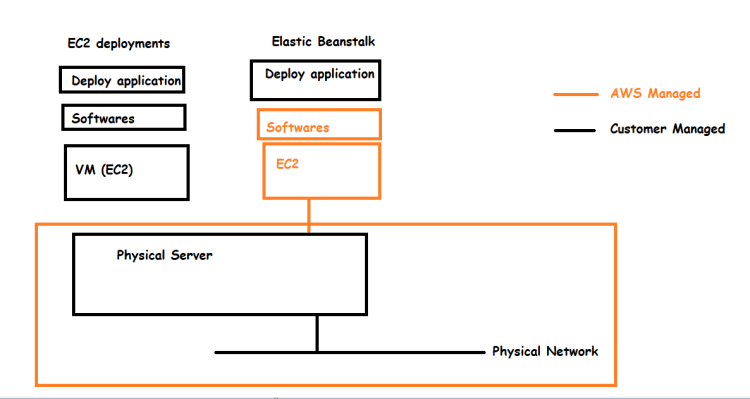
- In the IAAS deployment we create an ec2 instance, install the necessary configuration and then deploy the appplication
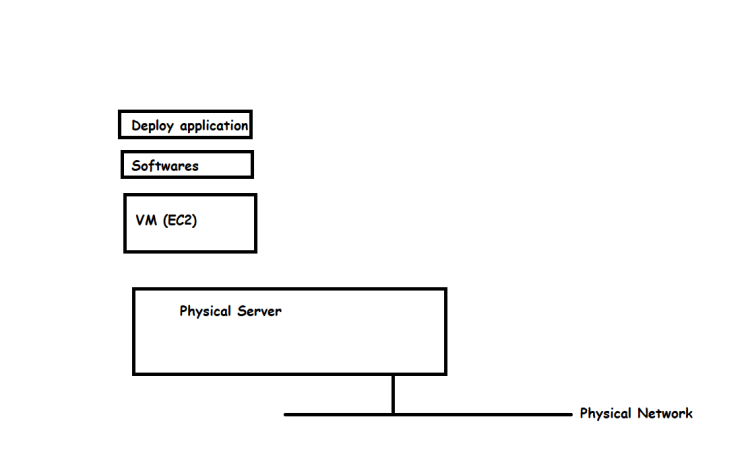
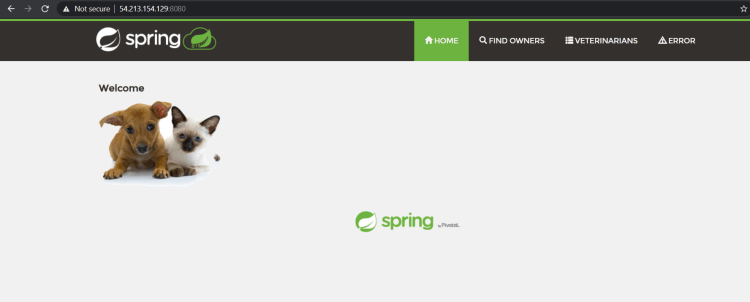
- Lets create an ec2 instance to deploy some java based application and deploy the spring pet clinic
- In the case of AWS Lambda, we configure a small functionality and configure trigger and destination
- trigger will cause the function to be invoked (events and API Gateway)
- When the lambda function is executed it has two states, one is success and other is failure, we can configure destinations for success and failure
- Destinations will be other lambda functions or an SNS topic (which can help in sending email, sms etc) or event bridge or SQS
- AWS has a service called as Elastic Beanstalk that helps you deploy and manage applications without having to learn about infrastructure
- Elastic Beanstalk supports applications developed in
- Go
- Java
- .NET
- Node js
- PHP
- Python
- Ruby
- Lets deploy a sample elastic beanstalk application
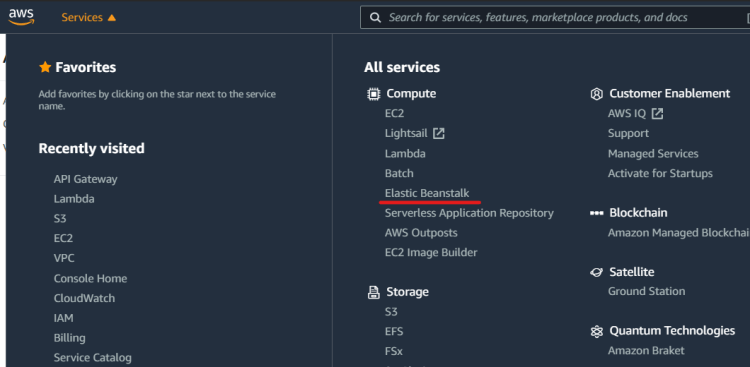
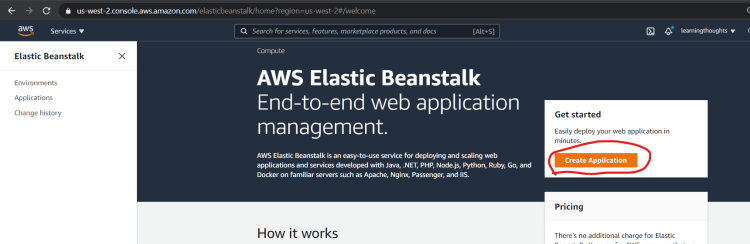
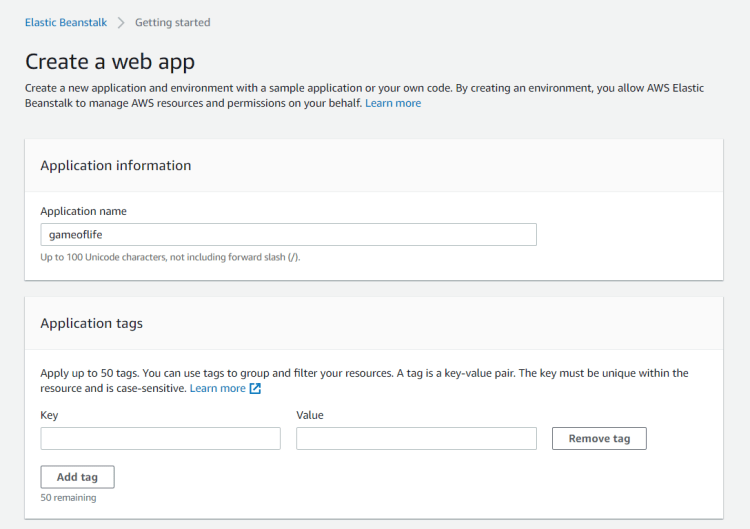
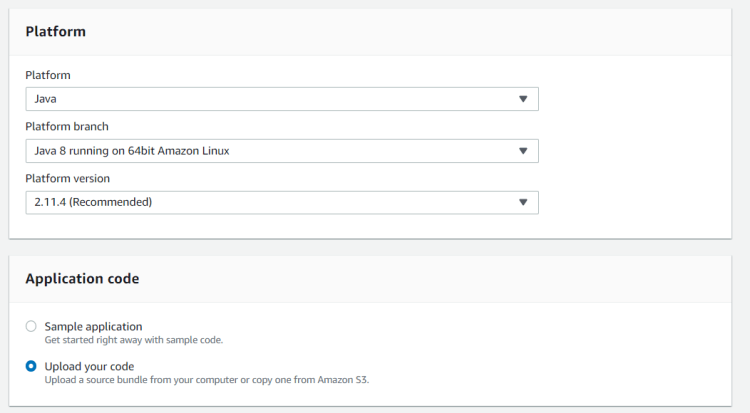
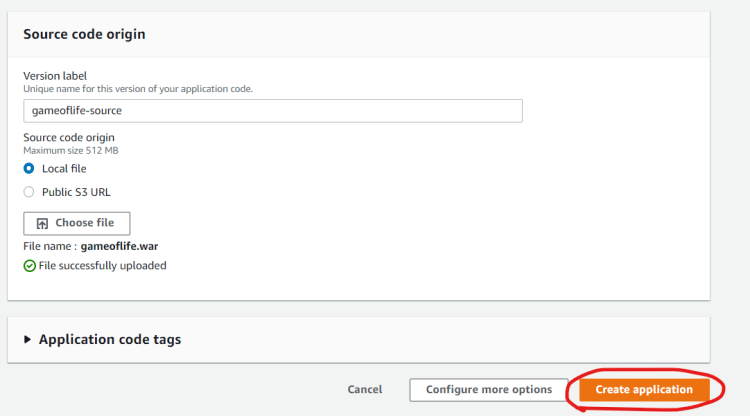
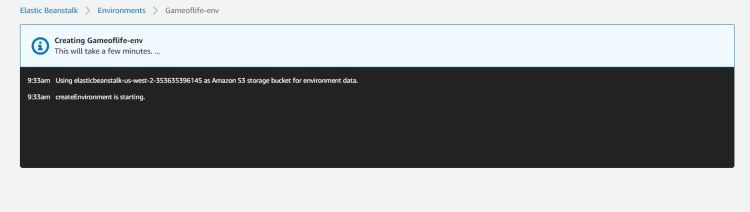
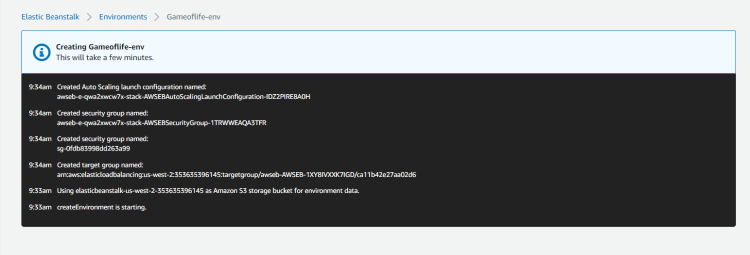
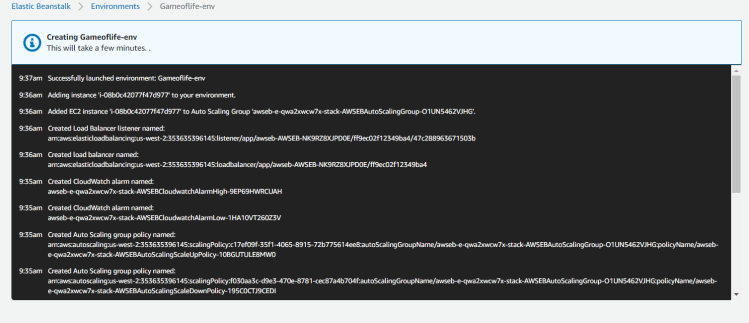
- In this approach we are uploading code/binaries then aws is creating the necessary environments for our application to work
- Elastic Beanstalk internally creates the infrastructure necessary to run the application
- Network components
- Loadbalancers
- Security groups
- EC2 instances
- Monitoring infrastructure
- Cloud watch alarms
- Network components
- As the user of Elastic Beanstalk , we deal with
- Application
- Environment
- So In Elastic Beanstalk we need to learn how to manage applications and configure environments and integrate with other AWS Services
- In Environments we have two environments webserver and worker
- We need to understand Platforms
- Elastic Beanstalk CLI
- Elastic Beanstalk is a PAAS (Platform as a Service) offering from AWS