
Git
- This is a Distributed Version Control System
- Git Deals with commits (collection of changes)
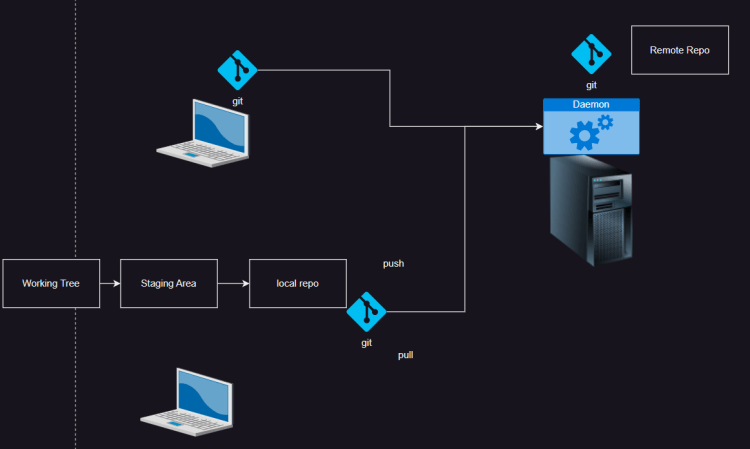
- Cheatsheet Refer Here
GitHub
- GitHub offers Git Hosting Services and is largest repository of opensource code bases
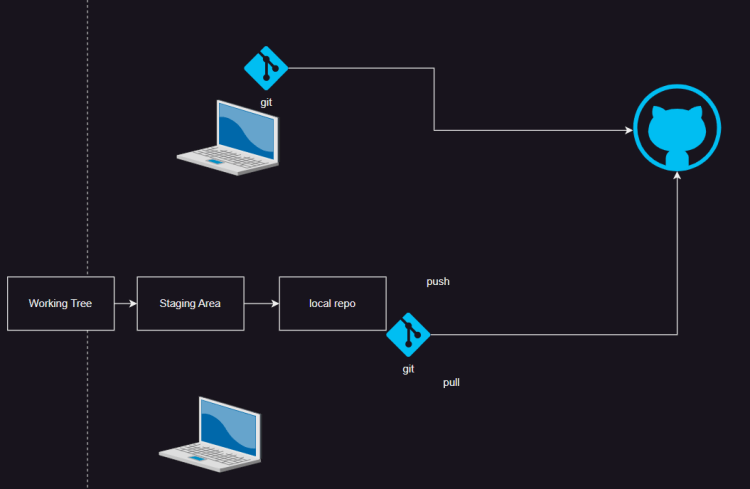
- Github started offering Projects as part of Github, where we can maintain releases, issues, etc
Timeline
- 2008: Launched as a platform to host and collaborate on Git Repositories
- 2011:
- Github Pages
- Organizations
- 2012:
- Pull Request Enhancements
- Github Enterprise
- 2013:
- Gists
- Webhooks and Integrations
- 2014:
- Github Desktop
- 2016:
- Git LFS
- Project Management Tools
- 2017:
- Code Review Improvements
- Dependency Graph
- 2018:
- Security Alerts
- Github acquired by Microsoft
- 2019:
- Github Actions: This became Generally Available, making it powerful CI/CD tool with extensive automation capabilities
- GitHub Sponsors
- 2020:
- Discussions
- Advanced Security
- Free Private Repository
- 2021:
- Copilot (Preview)
- Codespaces
- 2022:
- Copilot (GA)
- Private Vulnerability Reporting
- 2023:
- Github Security Advisories
- Dependency Review
- Improvised on mobile experience
GitHub Actions
- GitHub Actions is an end-to-end Github centric SDLC
- It provides Automation Platform and Framework which eliminates the need of external solutions such as Jenkins or Travis CI
- With Actions, we have the means to execute a CI/CD Pipeline within Github whenever (pull request, push, schedule), We can store the workflow alongside your code in GitHub Repository
-
To implement actions, Github providers
- Starter workflows: To help users use Actions, when you start or create a new workflow, Github will present starter workflow which are majorly categorized into
- Deployment
- Security
- CI
- Automation
- Pages
- Actions Marketplace: Set of existing actions
- Starter workflows: To help users use Actions, when you start or create a new workflow, Github will present starter workflow which are majorly categorized into
- Watch classroom video for screens


